
Specialist Supported Living in Norfolk
Your home. Your choices. Your life.
Personalised supported living that promotes independence, dignity and a meaningful everyday life.
Rated Good by the CQCAt Helpers Avenue, we believe the right support can make a real difference to how a person experiences everyday life.
Our specialist supported living approach helps adults with additional support needs live in suitable accommodation while keeping as much choice, independence and control as possible.
A place to live should be more than somewhere to receive support. It should be somewhere a person feels comfortable, secure and respected, and able to build a life of their own.
What is supported living?
Supported living means a person lives in their own home, or another suitable place, and receives support tailored to their needs. The aim is greater independence and real choice in everyday life.
Arrangements vary a great deal with each person’s needs, circumstances and assessed requirements. Some people benefit from help developing practical skills and routines. Others need more structured or continuous support.
We design support around the individual, rather than expecting the individual to fit a standard service model.
Who may benefit?
Specialist supported living may suit adults who:
- Have learning disabilities or are autistic
- Have complex or multiple support needs
- Need help with everyday living and keeping routines
- Benefit from structured, consistent support
- Want to develop or keep independent living skills
- Would like support to take part in their community
- Are exploring a move to a more independent way of living
- Need a support arrangement built around their circumstances
Suitability is always agreed through assessment and discussion.
What support may involve.
Depending on the person’s assessed needs and the agreed arrangement, support may include:
Everyday living skills
Confidence with daily routines, organisation, household tasks, shopping and other practical activities.
Choice and decision-making
Help to express preferences, take part in decisions and have more control over everyday life.
Community participation
Taking part in activities, hobbies, social life, learning or other things that matter to the person.
Communication and relationships
Understanding each person’s communication needs and supporting positive relationships.
Health and wellbeing
Healthy routines, emotional wellbeing and the right access to community and health services.
Personal development
Working towards personal goals, building confidence and celebrating achievements.
Structured support planning
Support built on assessed needs, preferences, aspirations and any risks, written down and agreed.
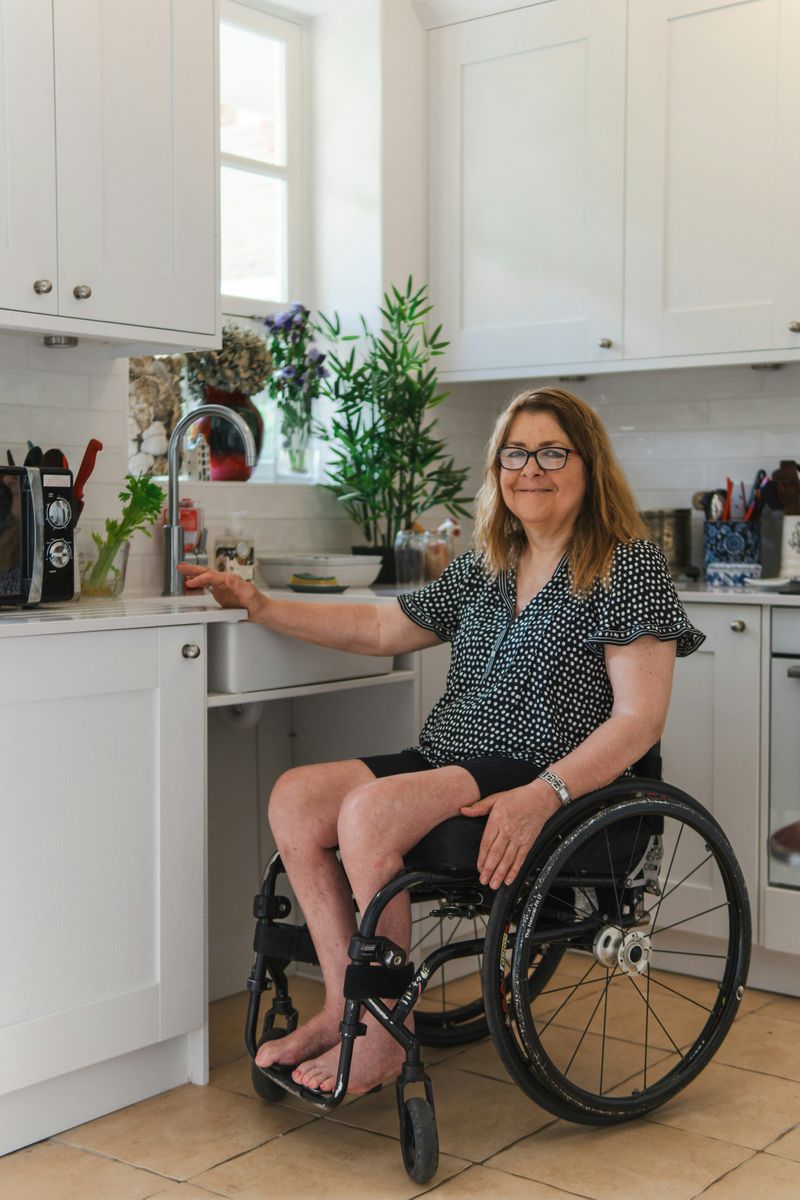
A home should feel like home.
Where a person lives plays an important part in their wellbeing and independence.
A good living arrangement respects privacy, personal choice, relationships, daily routines and the person’s identity: a place where they belong and make everyday decisions for themselves.
If accommodation is part of the picture, we explain clearly what is available, who provides the housing and who provides the support. Housing and support are always kept separate.
How we approach every arrangement.
We listen
To the person’s needs, history, communication preferences and personal goals.
We explore
Suitability, support needs, any risks and which professionals should be involved.
We plan
Where it’s right, an individual support proposal built around the person.
We review
Keeping support in step with the person’s needs and wishes as they change.
For private families
If you are considering supported living for an adult family member, you may have questions about independence, suitability, supervision, funding and how the process works.
We welcome conversations with families who want to understand their options. You don’t need every detail worked out before you get in touch.
Questions families often ask.
Is supported living the same as residential care?
No. In supported living, a person lives in their own accommodation and their support is arranged separately. Residential care is a different model, where accommodation and care come together.
Can supported living be privately funded?
Some support arrangements can be privately funded, depending on suitability, costs and the housing and support involved. We explain costs clearly before anything is agreed.
Can someone with complex needs live in supported living?
Potentially. It depends on their needs, the home, staffing, input from professionals and whether the support can be provided safely.
Is accommodation automatically included?
No. Accommodation is discussed separately from support. If housing is part of the arrangement, we’ll explain who provides it.
How do we begin?
Get in touch for a confidential conversation, by phone or through our enquiry form. There’s no obligation.
Something else on your mind? Call 01603 555220 or send us a message.
Related services
More specialist support.

Specialist Complex Care and Support
Thoughtfully planned support for people with complex or multiple needs, with an emphasis on safety, continuity, dignity and quality of life.
Explore complex support
Learning Disability and Autism Support
Personalised approaches that recognise each person’s communication style, preferences, strengths and aspirations.
Explore specialist support
Respite and Short Breaks
Planned support for a set time, so the person enjoys a change of routine while families and usual supporters recharge.
Explore respite options
Specialist Supported Living
Explore a more personal approach to supported living.
Tell us about the person, their hopes and the support they may need. We’ll talk it through in confidence, with no obligation.